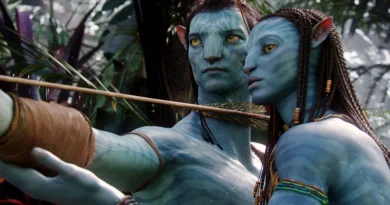

Avatar: Fire and Ash Review – An Immersive Blockbuster That Redefines Cinema
There are films you watch, and then there are films you experience.
Avatar: Fire and Ash firmly belongs in the latter category.
James Cameron once again proves that when it comes to large-scale cinematic world-building, he is operating on a level few filmmakers can even approach. Fire and Ash isn’t just another sequel; it’s a reminder of what blockbuster cinema is capable of when ambition, technology, and sheer vision collide.
This is not just another blockbuster release. It’s the kind of experience audiences will look back on 40 or 50 years from now and still marvel at. Much like how people today revisit the original Star Wars trilogy and wonder how something so ambitious was even made, Avatar feels destined for that same kind of legacy.
Visuals That Redefine the Big Screen
Let’s get this out of the way first:
Avatar: Fire and Ash is jaw-droppingly beautiful.
From the moment the film begins, it’s clear that Fire and Ash is designed for the biggest screen possible. Pandora has never looked more breathtaking. The newly introduced volcanic regions add a striking contrast to the lush environments we’ve seen before, creating visuals that feel both alien and deeply immersive. Every frame feels deliberate, detailed, and alive. This is filmmaking that pushes the boundaries of what visual effects can achieve.
While Avatar has never been known for subtle storytelling, the emotional moments here hit harder than expected, largely thanks to its performances.
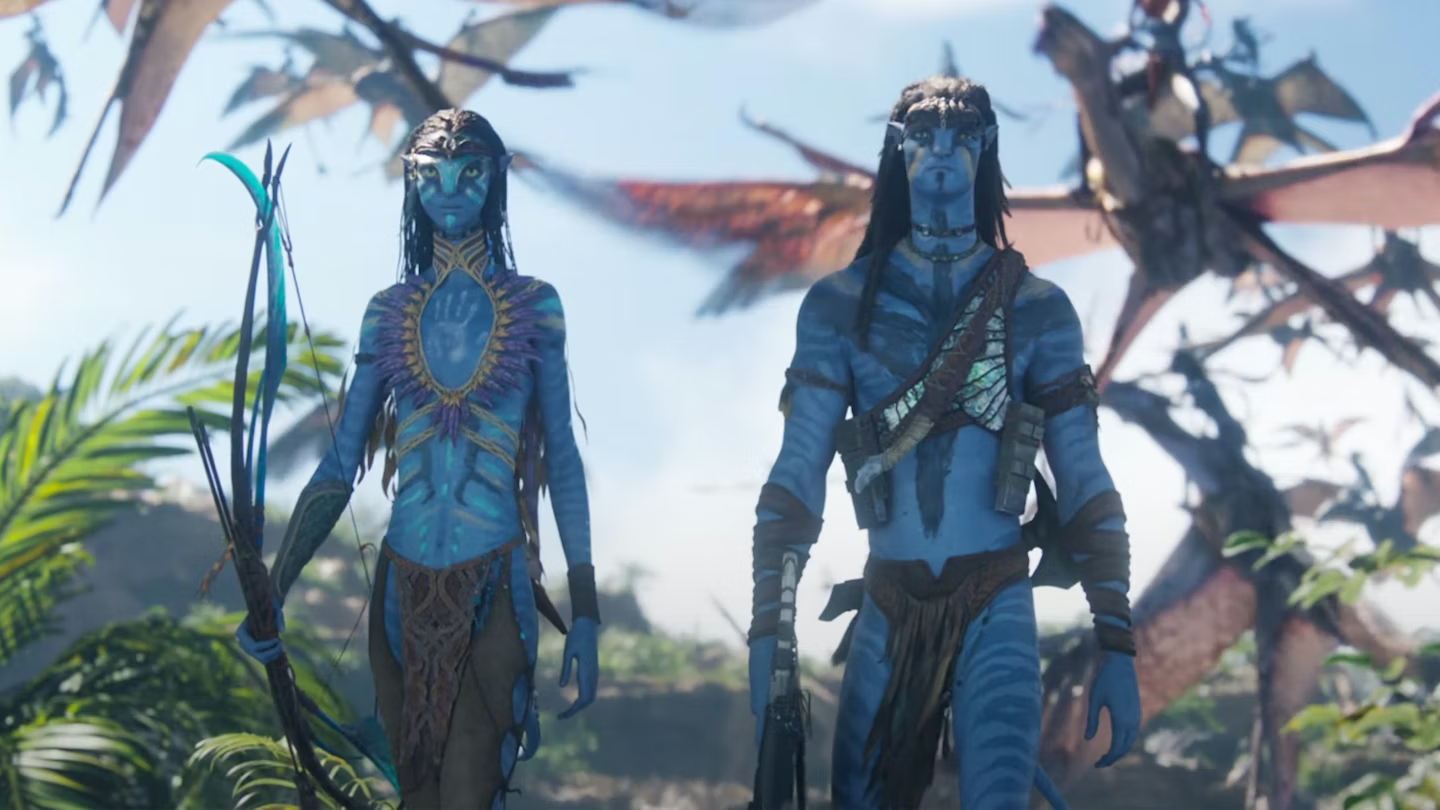
Sam Worthington delivers his strongest performance in the franchise so far, grounding the film’s emotional core with a sense of weariness and resolve. Zoe Saldaña is outstanding, once again proving why she remains the emotional backbone of the series. Her intensity, vulnerability, and raw emotion shine through, especially in the film’s most powerful moments.
A standout addition to this chapter is Varang, played brilliantly by Oona Chaplin. She brings a commanding presence to the screen, striking the perfect balance between menace and charisma. Varang feels genuinely threatening, and her performance adds a much-needed edge to the conflict, making her one of the more memorable antagonists in the Avatar saga.
There are scenes where the emotions land with surprising force, reminding you that beneath all the spectacle, there are characters you genuinely care about.
The music deserves special mention. The score elevates the experience, blending seamlessly with the visuals to enhance both the quieter emotional moments and the large-scale action sequences. It adds depth and resonance, making Pandora feel even more alive.
The end credits song by Miley Cyrus is a strong and fitting finish to the film. It works surprisingly well, leaving you with a lingering emotional note as the experience comes to a close.
A Predictable Story in a Spectacle-Driven Film
That said, the film isn’t without its flaws. Some elements of the story feel familiar, and at times the dialogue veers into slightly cheesy territory. Certain narrative beats are predictable, and the storytelling doesn’t always match the ambition of the visuals.
However, this has never been the strongest pillar of the Avatar franchise, and Fire and Ash continues that pattern. The story serves its purpose, but it’s rarely the main attraction.
You’re not here for sharp twists or layered political drama. You’re here to be transported to a world that feels alive, and on that front, the film delivers in full.
This is cinema as spectacle in its purest form: overwhelming, emotional, and unforgettable.
Avatar: Fire and Ash is the kind of movie future generations will look back on and marvel at, wondering how it was even possible to create something this immersive.